Healing the social fabric one community at a time
Community Therapy
Communities Go Through Cycles and Changes
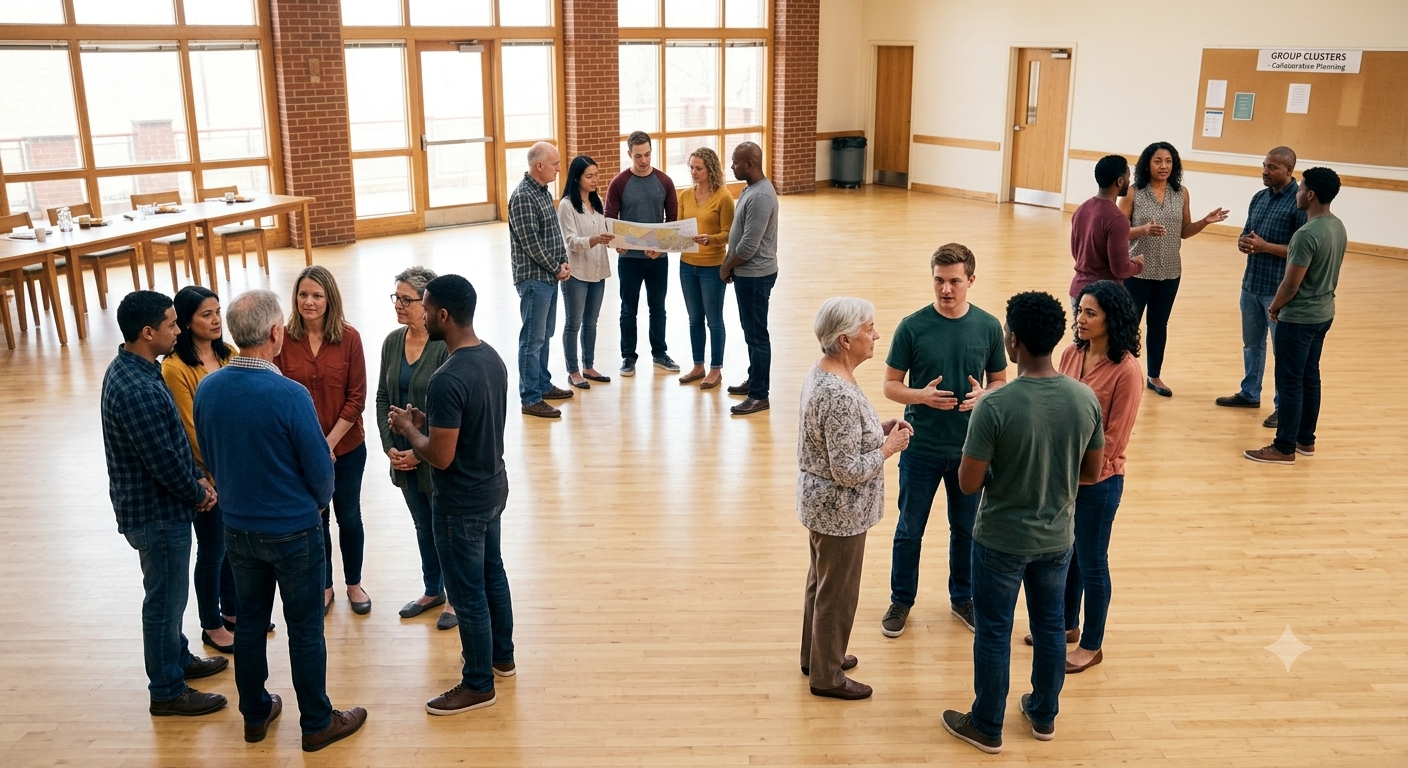
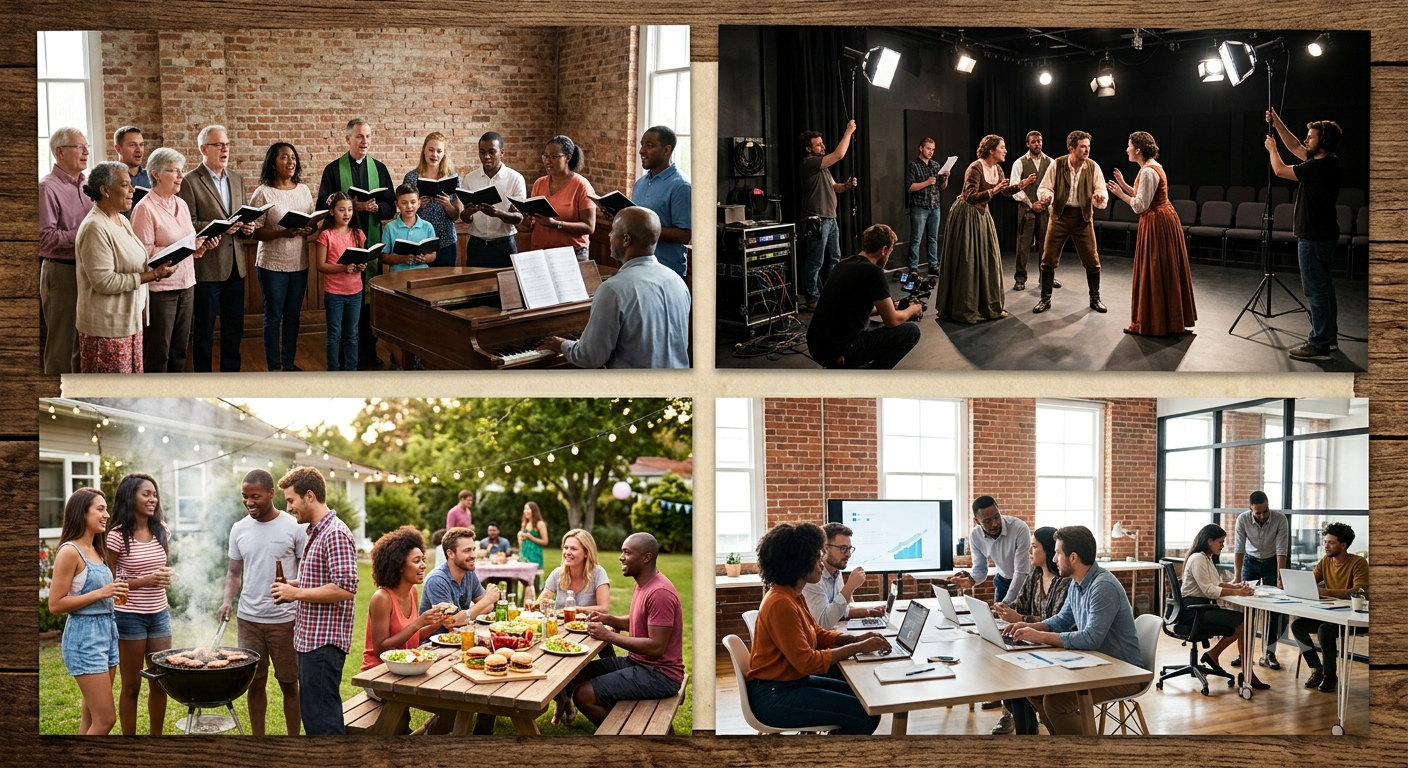
Every community is a living organism. Whether you are part of a tight-knit church community, a vibrant cultural association, a recreational group, a group of friends, or neighbors who share a common space, communities experience their own distinct cycles.
When a group of people embark in a journey together, they experience collective highs and lows. They might navigate times of growth and celebration, or face seasons of shared grief, systemic stress, and abrupt transitions. When a community experiences a major shift—such as the loss of a leader, structural changes, or collective trauma—the impact ripples through every member. Recognizing and addressing these changes together is the first step toward collective healing.
How Can Community Therapy Help its Members?
Community Therapy focuses on the collective health, it addresses the wellbeing of the entire ecosystem, individual and the group.
When we heal the community, we create a safer, healthier environment for the individual. When we support the individual, we strengthen the collective fabric of the group.
Key Benefits of Community Therapy:
Nurtures Both Individual and Group Health: It recognizes that personal well-being is intimately connected to the health of our shared environments, physical and emotional.
Breaks the Isolation: It reminds members that they are not carrying burdens alone, transforming personal stress into shared understanding.
Bridges Divides: It fosters deep empathy, helping resolve deep-seated conflicts or misunderstandings within the group.
Shared Coping Mechanisms: It allows communities to pool their emotional resources, wisdom, and life experiences.

What to expect
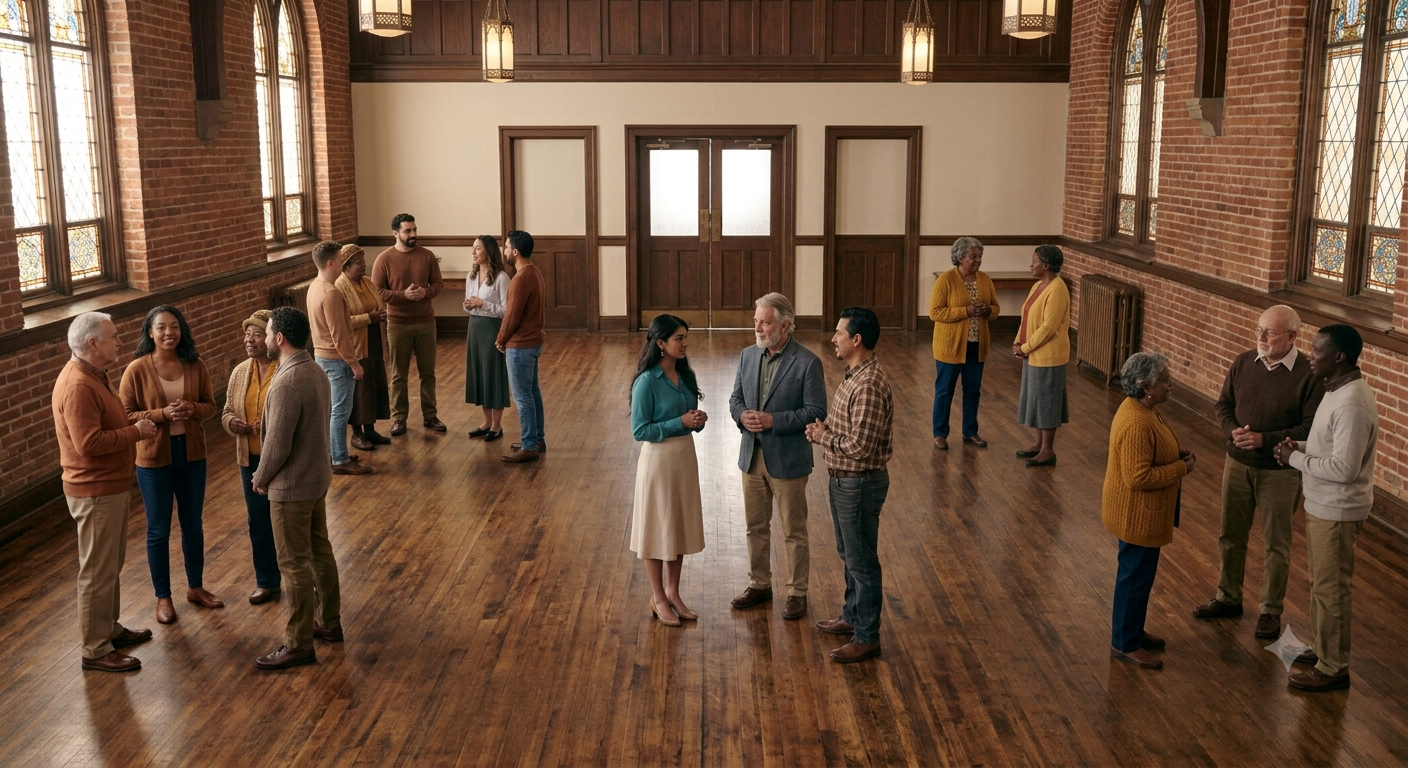
Every community has its own unique framework—some operate within a traditional hierarchical structure (like businesses or structured organizations), while others are non-hierarchical (like friend groups or grassroots community associations). Because of this, our approach is never one-size-fits-all. We tailor our process entirely to the architecture of your group.
Here is how we work together:
Initial consultation: We meet with group representatives to evaluate your ecosystem.
Tailored Group Sessions: To ensure everyone is safely heard and deep issues can be unpacked without being rushed, sessions are no less than 2 hours in length.
A Collaborative Timeline: The total number of sessions is determined by the community and the agreement with the therapist. This remains flexible as the community actively moves through the process and navigates the needed changes together.
When to Consider Community Therapy
Community therapy is designed for groups, networks, and collectives navigating complex dynamic shifts, unresolved tension, or collective pain. Rather than treating an individual in isolation, this approach supports the entire ecosystem as it heals, adapts, and evolves together.
You might consider community therapy for your group in scenarios such as:
Friendship Groups Facing Grief or Transition: Processing the loss of a dear mutual friend, navigating the ripple effects of a core member moving away, or rebuilding trust after shared strain.
Faith Communities & Church Ministries: Breaking recurring conflict cycles, resolving unspoken power dynamics, and restoring shared purpose when internal friction stalls progress.
Cultural, Recreational & Grassroots Communities:Resolving group tension when one person is being scapegoated, mediating disputes in recreational or artistic collectives, and navigating complex cultural shifts.
Would you like to adjust any of these examples, or shall we draft a visual prompt or call-to-action button to wrap up this section?